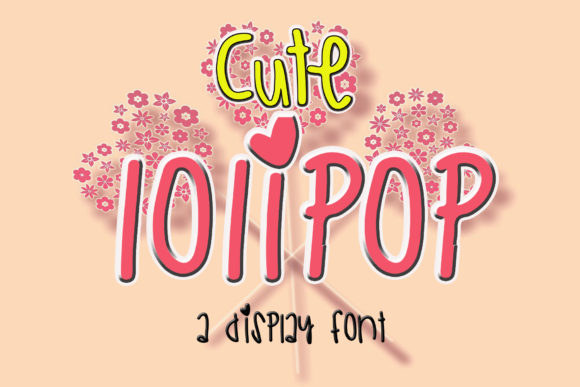
Cute Lolipop Font for Editorial Design
The Cute Lolipop font brings a warm, handwritten charm to editorial design. As a display font with a personal and realistic feel, it’s ideal for creating visual interest in blog headers, magazine covers, and ebook titles. Its simple lettered style makes it versatile for a range of content types, from printable guides to digital newsletters.
Visual Characteristics and Style
Cute Lolipop features a soft, authentic look that mimics real handwriting. This gives it a friendly and approachable personality, making it perfect for lifestyle blogs or creative projects that want to feel more personal. The font’s clean lines and gentle curves ensure readability while maintaining its unique character.
Its handwritten nature adds a sense of authenticity that can be missing from more formal typefaces. This is especially useful when designing content that aims to connect emotionally with the reader, such as coaching workbooks or wedding guides.
Editorial Applications
For bloggers and publishers, Cute Lolipop can be used in a variety of ways. It works well for blog headers, where it can draw attention without overwhelming the reader. In a digital magazine layout, it can be used for section headings or pull quotes, adding a touch of visual interest without compromising readability.
In an ebook, this font could serve as a title font or for chapter openers. Pairing it with a clean sans serif font for body copy ensures that the text remains easy to read while still maintaining a cohesive design.
Printable guides and worksheets also benefit from using Cute Lolipop. Its casual appearance makes it suitable for educational materials that aim to feel inviting and accessible. For example, a recipe ebook might use this font for section titles to create a cozy, home-style atmosphere.
Readability and Practical Use
While Cute Lolipop is a display font, it’s important to consider its readability across different formats. When used for longer blocks of text, it may not be the best choice due to its informal nature. However, for short headings, captions, and accent typography, it shines.
For screen reading, it performs well in web layouts and mobile designs, provided there is sufficient contrast and spacing. In PDF exports and print versions, it maintains clarity and retains its character without losing legibility.
Font Pairing and Branding
When incorporating Cute Lolipop into a publication, it’s essential to pair it with complementary fonts. A readable serif font like Georgia or Times New Roman can provide a solid base for body text, while a clean sans serif font like Helvetica or Arial can be used for captions and navigation.
This font can also play a role in building brand identity. Its unique look helps differentiate a publication or product from others in the market. Whether it’s used in a creator newsletter or a digital magazine, it contributes to a consistent and recognizable visual tone.
For those working on logo design or packaging design, Cute Lolipop offers a fresh and modern option that feels both professional and personable.
Commercial Licensing and Usage
If you plan to use Cute Lolipop in commercial projects such as ebooks, templates, or paid newsletters, it’s crucial to check the licensing terms. Ensuring that you have the appropriate rights will help avoid any legal issues, especially when distributing content to clients or audiences.
For independent content brands and digital product creators, this font can be a valuable asset in their design toolkit. It supports a wide range of applications, from social media graphics to web design, making it a flexible choice for various editorial needs.
Creating Engaging Content
Using Cute Lolipop can enhance the overall reader experience by adding a layer of personality to your content. In a coaching workbook, for instance, it can make the material feel more relatable and encouraging. In a wedding guide, it can contribute to a romantic and heartfelt tone.
For content creators looking to stand out, this font can be part of a broader strategy to build a unique brand identity. Whether it’s used in a printable planner or a course outline, it helps create a visual narrative that resonates with the audience.
By thoughtfully integrating Cute Lolipop into your editorial designs, you can elevate the visual appeal of your publications while maintaining a strong connection with your readers.